The 2026 Dynasty Rookie Rankings & Bio Guide
Generated by our custom AI data ingestion engine, this downloadable guide features immersive deep-dives on every relevant prospect in the 2026 class. Avoid the noise and trust the analytics.
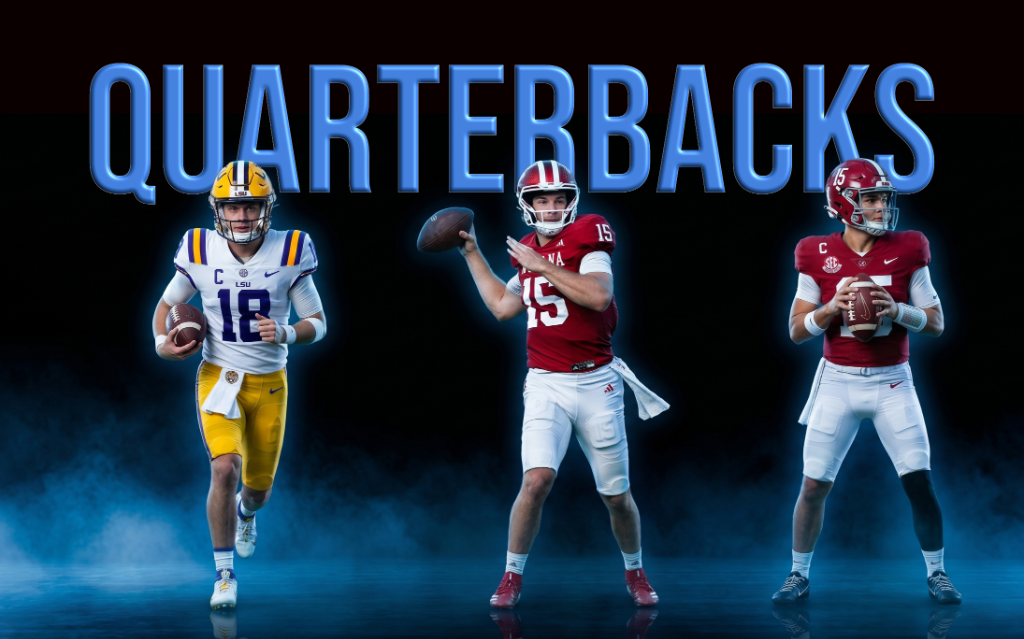

Fernando Mendoza
Selected 1st overall by the Las Vegas Raiders, Fernando Mendoza represents the safest, highest-floor quarterback prospect in the 2026 class. He pairs his prototypical 6'5" frame with exceptional processing speed and anticipation, drawing strong comparisons to Jared Goff. He steps into an offense managed by Clint Kubiak, featuring elite weapons like Brock Bowers and a strong running game centered around Ashton Jeanty. While Mendoza lacks the dynamic rushing upside required to post elite top-tier fantasy numbers, he is highly capable of running a timing-based passing attack at an efficient level. He might start his career learning behind veteran Kirk Cousins, but his franchise-cornerstone draft capital guarantees he will eventually take the reins. In Superflex dynasty formats, Mendoza is a rock-solid, safe mid-first-round investment who should deliver steady, low-end QB1 or high-end QB2 production for years to come. Fantasy managers shouldn't expect immense upside, but rather a decade-long reliable starter for their rosters.
Strengths
- Elite accuracy and ball placement
- Excellent anticipation throws
- Strong pocket presence
- High football IQ
Weaknesses
- Lack of rushing upside
- Deep accuracy inconsistencies
- Struggles making throws off-platform
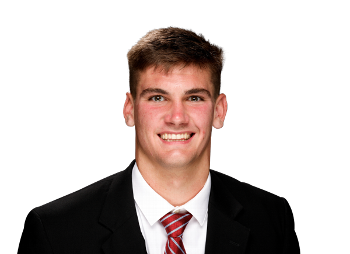
Ty Simpson
In one of the biggest shockers of the draft, the Los Angeles Rams selected Ty Simpson 13th overall. Simpson heads into the NFL with just 15 collegiate starts, flashing excellent intermediate accuracy but demonstrating alarming mechanical breakdowns when placed under pressure. Despite these massive developmental hurdles, his landing spot provides the ultimate safety net for a rebuilding dynasty roster. Simpson will spend the immediate future learning behind veteran Matthew Stafford under the tutelage of offensive mastermind Sean McVay. Because he offers almost no rushing upside, his path to fantasy relevance hinges entirely on his development into an efficient pocket passer. If Stafford retires in the next year or two, Simpson is perfectly insulated to take over an offense loaded with weapons like Puka Nacua and Cooper Kupp. He should be drafted at the back end of the first round in Superflex leagues as a high-value stash who will command significant trade value once he is named the starter.
Strengths
- High-end intermediate accuracy
- Mechanically sound processing
- Mobility in the pocket
- Strong pedigree
Weaknesses
- Very limited starting experience
- Struggles under pressure
- Wildly inconsistent decision-making at times
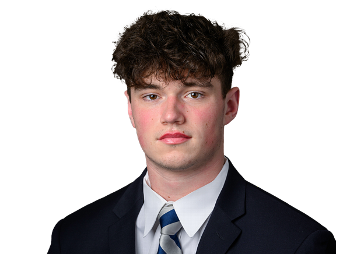
Drew Allar
Drew Allar enters the NFL draft as an incredibly polarizing developmental quarterback whose physical tools are heavily overshadowed by a lack of consistent collegiate production. Standing at a towering 6'5" and possessing a bazooka for a right arm, he flashes the elite passing traits that made him a highly coveted five-star recruit coming out of high school. In a surprising move, he bypassed the 2025 NFL Draft to return to Penn State, only to endure a disastrous final campaign where he threw just eight touchdowns before suffering a devastating broken ankle. Evaluators consistently critique his wildly erratic footwork and mechanical breakdowns under pressure, which routinely lead to inexplicable turnovers and missed opportunities down the field. Despite these glaring red flags, he does offer sneaky mobility and rushing upside for a player of his immense stature, adding a slight glimmer of fantasy intrigue. He projects as a classic day-three developmental project who will be heavily overdrafted by an NFL franchise enamored purely with his prototypical size and raw arm talent. Dynasty managers in Superflex formats should view him exclusively as a long-term taxi squad stash, hoping professional coaching can somehow salvage his once-promising trajectory.
Strengths
- Prototypical NFL quarterback size
- Massive arm strength
- Sneaky rushing upside
- Elite recruiting pedigree
Weaknesses
- Wildly inconsistent mechanics
- Never completed a full dominant college season
- Suffered a severe broken ankle
- Poor decision-making under pressure

Cole Payton
Cole Payton is an incredibly raw, highly athletic quarterback prospect who offers immense rushing upside for dynasty managers willing to embrace extreme developmental risk. Standing 6'3" and 233 pounds, he possesses the prototypical frame of a modern NFL quarterback and verified his explosive traits by running a blistering 4.56-second 40-yard dash at the NFL Combine. Serving as a one-year starter at North Dakota State, he utilized his elite mobility to decimate FCS defenses, rushing for nearly 900 yards and 13 touchdowns while continually making dynamic plays outside the pocket. Despite his jaw-dropping athletic tools, his evaluation is heavily clouded by his minimal in-game repetitions and the massive leap in competition he will face transitioning to the professional ranks. Evaluators note that his footwork and passing mechanics are highly unrefined, often leading to erratic accuracy and missed opportunities on standard drop-back passing concepts. However, in a fantasy football landscape heavily skewed towards rushing quarterbacks, Payton represents the ultimate late-round lottery ticket in Superflex formats. If an NFL franchise invests day-three draft capital to patiently develop his raw passing skills, his rushing floor gives him the latent potential to eventually become a league-winning fantasy asset.
Strengths
- Elite dual-threat rushing ability
- Impressive combine testing and 40-time
- Prototypical size and frame
- Ability to create off-script plays
Weaknesses
- Extremely limited starting experience
- Lower level of FCS competition
- Raw passing mechanics
- Inconsistent accuracy from the pocket

Taylen Green
Taylen Green was selected by the Cleveland Browns on Day 3, cementing his status as one of the rawest developmental quarterbacks in the entire draft. Standing 6'6" with blistering 4.36 speed, Green is a true athletic unicorn capable of producing massive chunk plays with his legs. Unfortunately, his mechanics, decision-making, and pocket awareness are highly erratic, making him unplayable as a traditional forward passer right now. In Cleveland, he will sit behind Deshaun Watson and fellow rookie Shedeur Sanders, functioning purely as a developmental project or potential sub-package gadget weapon. In Superflex dynasty formats, Green is a fascinating end-of-bench stash whose value is tied entirely to the fantasy cheat code of rushing mobility.
Strengths
- Generational size and athletic profile
- Elite straight-line rushing speed
- Massive arm strength
Weaknesses
- Highly erratic passing accuracy
- Poor pocket awareness and mechanics
- Struggles to read complex coverages
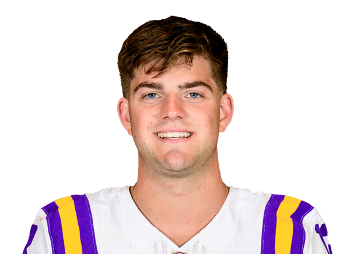
Garrett Nussmeier
Garrett Nussmeier's dynasty value was all but erased after falling to the 7th round and being drafted by the Kansas City Chiefs. While he showed flashes of high-end arm talent and deep-ball proficiency at LSU, a severe abdominal strain and reckless decision-making sent his pre-draft stock plummeting. In Kansas City, he will be permanently buried behind Patrick Mahomes, offering absolutely zero path to a starting job or fantasy relevance barring a catastrophic injury. Given his total lack of rushing upside and minimal draft capital, he currently projects as a career backup. Dynasty managers should leave him on the waiver wire in all but the deepest of Superflex leagues.
Strengths
- Pure pocket passer mechanics
- Quick release and processing
- Willingness to push the ball downfield
Weaknesses
- Significant lack of mobility
- Dealt with a severe abdominal strain
- Prone to risky decision making and turnovers
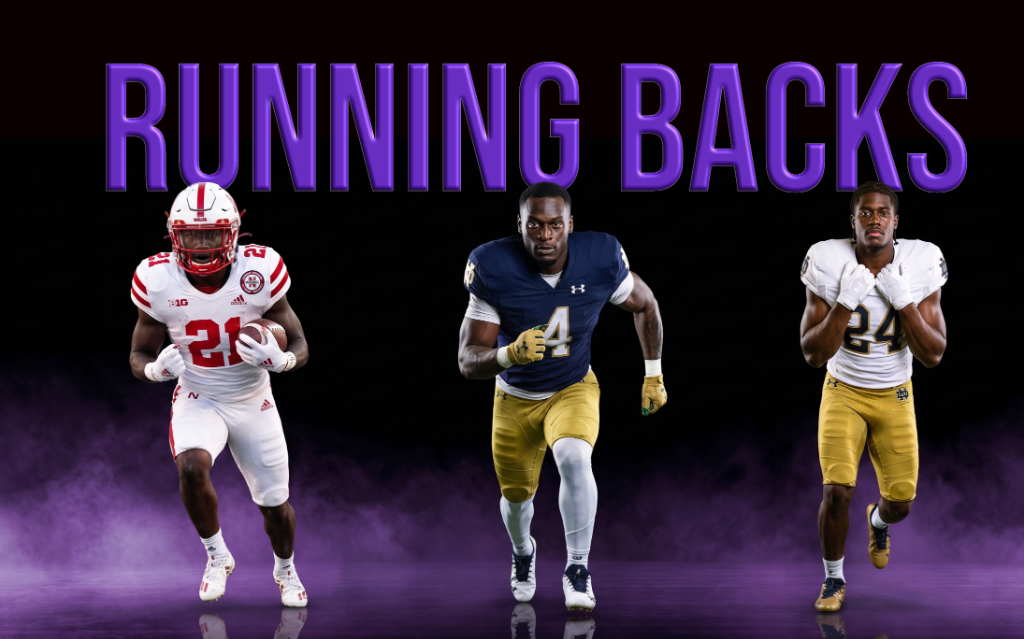
Jeremiyah Love
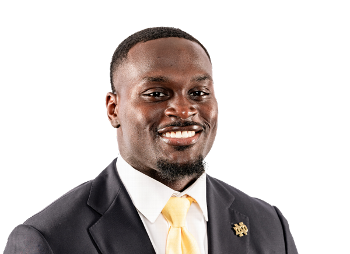
Drafted 3rd overall by the Arizona Cardinals, Jeremiyah Love cements his status as the unquestioned 1.01 in all dynasty formats. He steps into a backfield that currently features Tyler Allgeier and James Conner, but his top-tier draft capital guarantees he will be the focal point. Arizona is building a potent offense around Kyler Murray, Marvin Harrison Jr., and Trey McBride, creating plenty of scoring opportunities. Love's elite receiving traits and contact balance make him perfectly suited for negative game scripts, elevating his PPR floor. He boasts a generational prospect profile, drawing analytical comparisons to players like Bijan Robinson and Ashton Jeanty. Given his three-down upside and immediate path to touches, he should be treated as an elite dynasty cornerstone. Managers must view him as a foundational asset who can deliver RB1 production right out of the gate.
Strengths
- Elite receiving traits
- Explosive burst and lateral agility
- Excellent contact balance
- Three-down upside
Weaknesses
- Occasionally struggles in short-yardage goal-line situations
- Pad level runs high at times
- Chaotic movement at times
Jadarian Price
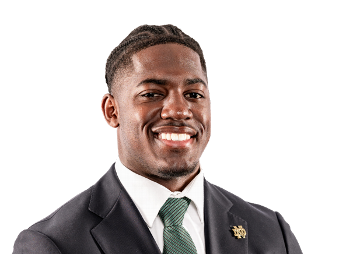
The Seattle Seahawks shocked the draft community by selecting Jadarian Price 32nd overall in the first round, drastically altering his dynasty value. Price enters a highly ambiguous backfield with immense opportunity, as the team let Kenneth Walker leave in free agency and Zach Charbonnet is recovering from a late-season ACL tear. Despite functioning primarily as a backup to Jeremiyah Love at Notre Dame and lacking a proven pass-catching profile, his elite draft capital demands respect. He runs with exceptional vision and physical contact balance, projecting as an immediate early-down starter for a fantasy-friendly offense. While skeptics point to his past Achilles tear and his lack of receiving chops, finding a first-round running back with an open depth chart is remarkably rare. Price is a polarizing yet high-reward target in the mid-to-late first round of rookie drafts who could deliver massive volume right out of the gate. Rebuilding teams may opt to sell him on the hype, but contenders should embrace the volume he provides.
Strengths
- Excellent vision and patience
- Explosive burst and long speed
- Physical contact balance
- Decisive one-cut runner
Weaknesses
- Minimal receiving production
- Never handled a full-time starter workload
- History of a severe Achilles tear
Jonah Coleman
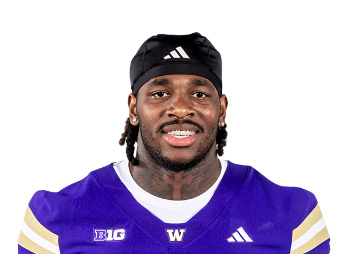
Despite sliding to the fourth round (108th overall), Jonah Coleman found a highly appealing landing spot with the Denver Broncos. Entering Sean Payton's offense, he immediately competes in an ambiguous backfield featuring an injury-prone J.K. Dobbins and passing-down specialist R.J. Harvey. Coleman's true superpower is his elite pass-protection ability, which will guarantee him early playing time and keep him on the field in high-leverage situations. Built like a fire hydrant at 228 pounds, he possesses a remarkably low center of gravity and constantly bounces off arm tackles to pick up hidden yardage. He is highly efficient between the tackles and displays the natural hands necessary to function as a reliable check-down option. While his lack of breakaway speed caps his overall ceiling, Payton has a long history of generating immense fantasy value from rugged, multi-faceted committee backs. Dynasty managers should eagerly target him in the mid-second round as one of the few rookie running backs with a clear path to early touches and a potential starting role.
Strengths
- Elite pass protection
- Exceptional contact balance
- Low center of gravity
- Reliable receiving background
Weaknesses
- Lacks elite long speed
- Opted out of combine testing
- Average burst
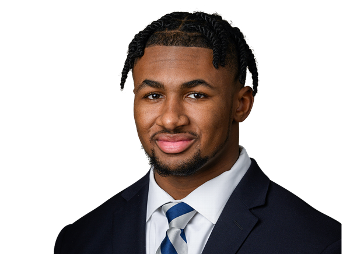
Nicholas Singleton
Nicholas Singleton's dynasty value experienced a massive pre-draft roller coaster before settling as a 5th-round pick (165th overall) by the Tennessee Titans. Despite a broken foot that prevented him from testing at the combine, his elite high school pedigree and impressive pass-catching resume keep his ultimate ceiling incredibly high. However, his collegiate tape is marred by frustrating vision lapses and poor lateral agility, raising valid concerns about his ability to navigate NFL-caliber defensive fronts. Fortunately, he lands in a highly ambiguous Tennessee backfield featuring an aging Tony Pollard and an injury-prone Tyjae Spears. This presents Singleton with an immediate path to early-down touches and an opportunity to carve out a meaningful role if he can impress the new coaching staff in training camp. While the day-three draft capital means the Titans have zero financial allegiance to him, his raw athletic traits and receiving chops make him one of the premier upside dart throws in the mid-to-late second round of dynasty rookie drafts.
Strengths
- Exceptional straight-line speed
- Strong receiving profile
- Elite high school pedigree
- Prototypical size
Weaknesses
- Poor lateral agility
- Struggles with vision and pressing the hole
- Highly inefficient collegiate production
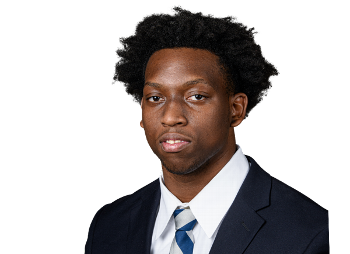
Kaytron Allen
Selected in the sixth round by the Washington Commanders, Kaytron Allen enters the NFL as a rugged, bruising early-down grinder. While he lacks the breakaway speed or pass-catching chops to ever become a dynamic fantasy star, his exceptional vision and willingness to embrace physical contact make him a highly reliable chain-mover. His landing spot in Washington is surprisingly appealing, as he joins an ambiguous backfield alongside Rachaad White and Jakori Croskey-Merritt following the departure of Chris Rodriguez. Allen's elite pass-protection skills and downhill rushing style perfectly complement the Commander's offensive scheme, providing him a legitimate opportunity to earn early-down carries and goal-line work. Although his dynasty ceiling is severely capped by his one-dimensional profile, his clear path to a rotational role makes him a valuable late-round draft target. Managers should view him as a sturdy, low-ceiling depth piece capable of delivering occasional touchdown-dependent spike weeks.
Strengths
- Physical downhill runner
- Excellent vision
- Reliable pass protector
- Consistent collegiate production
Weaknesses
- Plodding speed
- Minimal burst or explosiveness
- Almost zero receiving upside
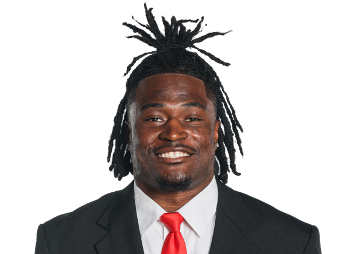
Kaelon Black
In a surprising move, the San Francisco 49ers drafted Kaelon Black in the third round. While he enters the league as an ancient 25-year-old prospect with poor analytical grades, his landing spot offers immense contingent upside. He steps in to back up Christian McCaffrey, a role that has historically yielded massive, immediate fantasy value when the starter misses time. Black's exceptional pass-blocking and downhill rushing style fit Kyle Shanahan's system perfectly, keeping him on the field in high-leverage situations. Dynasty managers should eagerly draft him in the late second or early third round exclusively as a premium "JAG insurance" handcuff. His value is tied almost entirely to McCaffrey's health rather than his own standalone profile.
Strengths
- Excellent low pad level
- Strong downhill burst
- Consistent collegiate production
- Exceptional pass blocking
Weaknesses
- Older prospect
- Shared backfield throughout college
- Limited receiving profile
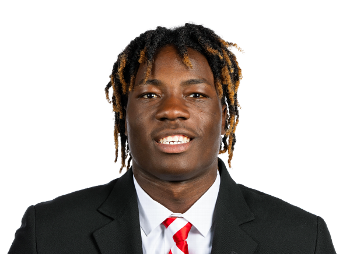
Emmett Johnson
Emmett Johnson fell to the fifth round of the NFL Draft, where he was scooped up by the Seattle Seahawks. Despite pre-draft concerns regarding his overall play strength and subpar yards-after-contact metrics, his elite receiving profile and exceptional lateral agility make him an intriguing PPR prospect. In Seattle, his immediate path to playing time is extremely murky, as he slides into a crowded depth chart behind Kenneth Walker and first-round rookie Jadarian Price. However, with Zach Charbonnet recovering from a severe torn ACL, Johnson has a genuine opportunity to immediately earn rotational snaps as a primary pass-catching specialist and third-down back. While his ceiling is inherently capped by his lack of workhorse size and day-three draft capital, his ability to operate smoothly in space provides a clear path to functional fantasy utility. Dynasty managers should target him in the late third or early fourth round of rookie drafts as a premium handcuff and situational flex play who offers sneaky value if the starters miss time.
Strengths
- Elite receiving profile
- Lateral agility and footwork
- High-volume collegiate workload
- Shiftiness in open space
Weaknesses
- Lacks functional play strength
- Poor yards after contact metrics
- Below-average explosiveness and burst
Demond Claiborne
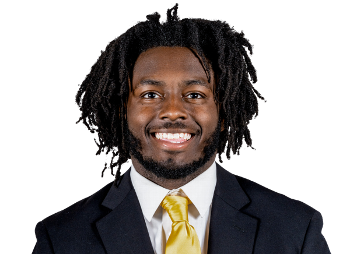
Selected on Day 3 of the NFL Draft, Demond Claiborne joins a Minnesota Vikings backfield currently featuring Aaron Jones and Ty Chandler. He is an electric, undersized playmaker with blazing straight-line speed capable of erasing pursuit angles in the open field. However, his significant deficiencies in pass protection and lack of receiving utility severely hinder his path to a consistent three-down workload. In Minnesota, he projects strictly as an explosive change-of-pace back who requires manufactured touches and excellent blocking to find open space. He is a high-variance, late-round dynasty stash whose path to fantasy relevance requires injuries ahead of him on the depth chart. Managers should view him as a late-round lottery ticket.
Strengths
- Explosive 4.3 speed
- Home-run breakaway ability
- Dynamic open-field agility
Weaknesses
- Poor pass protection
- Minimal receiving upside
- Undersized frame
Adam Randall
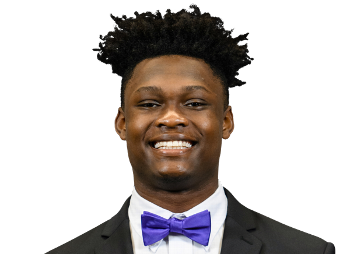
Adam Randall represents one of the most fascinating developmental projects in the entire 2026 rookie class, offering immense athletic upside for patient dynasty managers. Originally arriving at Clemson as a highly recruited wide receiver and former high school track star, he transitioned to the running back position prior to the 2025 season. Standing at an imposing 6'2" and 235 pounds, he seamlessly blends a prototypical workhorse frame with explosive straight-line speed that overwhelms second-level defenders. Because of his background as a receiver, he boasts natural, incredibly soft hands out of the backfield, providing an immediate path to PPR utility while he refines his rushing instincts. Evaluators note that he still possesses a raw understanding of pressing the hole and navigating interior blocking concepts, which is entirely expected given his limited reps at the position. He follows in the footsteps of successful collegiate position-converts like Tyrone Tracy Jr., possessing the raw physical tools to eventually shoulder a massive NFL workload. Randall is a premier late-round stash in dynasty rookie drafts who could yield massive dividends if paired with a coaching staff willing to nurture his undeniable athletic gifts.
Strengths
- Elite size-speed combination
- Former wide receiver with natural hands
- Dynamic straight-line speed
- Prototypical workhorse frame
Weaknesses
- Extremely raw running back instincts
- Limited collegiate sample size at the position
- Requires development in pass protection
- Unrefined vision between the tackles

Mike Washington Jr.
Mike Washington Jr. generated massive pre-draft hype by clocking a historic 4.33-second 40-yard dash at 223 pounds, but ultimately fell to the 4th round of the NFL Draft to the Seattle Seahawks. This landing spot severely muddies his short-term outlook, as he joins an incredibly crowded backfield that features Kenneth Walker, first-round pick Jadarian Price, and fellow rookie Emmett Johnson. Washington is a deeply polarizing evaluation; his straight-line speed is generational, yet he struggles immensely with lateral agility, pass protection, and severe fumbling issues. Because he relies purely on physical superiority rather than refined rushing instincts, his translation to the professional level carries massive bust potential. Dynasty managers should view him as an explosive lottery ticket who is currently buried on a depth chart and will require significant professional development. He remains a high-risk, high-reward stash in the third round of rookie drafts for managers willing to bet purely on unbridled athletic traits.
Strengths
- Generational combine testing and 4.33 speed
- Physically imposing frame
- Strong leg drive between the tackles
- Elite straight-line burst
Weaknesses
- Severe ball security and fumbling issues
- Minimal pass-catching resume
- Never handled a massive bell-cow workload

Eli Heidenreich
The Pittsburgh Steelers took a 7th-round flyer on Eli Heidenreich, an incredibly versatile offensive weapon out of Navy. Operating primarily as a hybrid slot-back in a triple-option offense, his transition to the NFL is highly speculative due to his lack of a true, defined position. He enters an Arthur Smith-led offense that loves utilizing heavy sets and multiple tight ends, making his path to consistent touches extremely murky. His elite special teams value gives him a genuine chance to make the final roster, but his baseline fantasy floor is completely non-existent. Dynasty managers should view him purely as a deep taxi squad stash who requires an incredibly creative play-caller to manufacture his touches. He remains an anomaly in this class.
Strengths
- Elite versatility
- Exceptional special teams utility
- Dynamic with the ball in his hands
Weaknesses
- Lacks a defined NFL position
- Highly scheme-dependent
- Faced lower-level collegiate competition
Seth McGowan
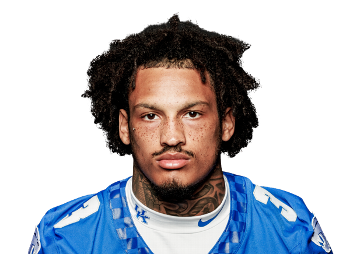
Seth McGowan is an incredibly complex evaluation for dynasty managers, pairing undeniable on-field talent with severe off-field red flags. Originally a highly-touted recruit at Oklahoma, his career was derailed by a felony armed robbery charge that kept him off the football field for nearly three years. After transferring to New Mexico State and eventually landing at Kentucky, he resurrected his career by rushing for 725 yards and 12 touchdowns in his final season. On tape, McGowan displays a rugged, physical running style with impressive contact balance, routinely churning through defenders to generate extra yardage. While he lacks elite foot agility and struggles heavily in pass protection, his burst and downhill decisiveness are undeniable traits that NFL evaluators covet. His ultimate draft capital will be entirely dictated by how teams assess his maturity and character during the pre-draft interview process. If he secures a day-three selection and lands in a favorable zone-rushing scheme, he possesses the raw talent to emerge as an early-down thumper and a tremendous sleeper value in the late rounds of rookie drafts.
Strengths
- Good vision and patience
- Elusive in tight spaces
- Physical toughness through contact
- Capable receiving profile
Weaknesses
- Significant off-field character concerns
- Older prospect
- Poor pass protection grades
- Lacks elite foot agility
J'Mari Taylor
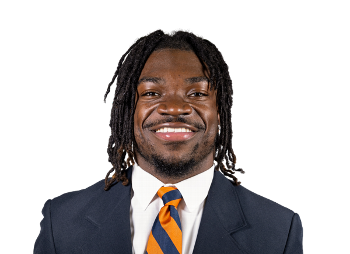
J'Mari Taylor is a highly productive, fundamentally sound running back who successfully transitioned from the FCS level to become a dominant force at Virginia. Standing at 5'9" and 204 pounds, he utilizes a remarkably low center of gravity and exceptional lateral agility to consistently make defenders miss in tight quarters. He runs with surprising toughness and contact balance, routinely churning out extra yardage after initial contact and keeping his legs driving. Furthermore, he adds significant value in the passing game, catching over 40 passes during his final collegiate campaign and proving he can operate as a reliable check-down option. While he lacks the elite top-end speed or sheer mass necessary to become an NFL workhorse, his well-rounded skill set guarantees he will carve out a professional role. His vision and patience behind the line of scrimmage allow him to maximize blocking concepts, making him a perfect fit for a modern zone-rushing scheme. Dynasty managers should eagerly target him in the late rounds as a high-end handcuff who possesses the receiving chops to offer immediate PPR flex utility.
Strengths
- Excellent lateral agility
- Low center of gravity
- Solid receiving profile
- Highly productive multi-year starter
Weaknesses
- Older prospect
- Lacks elite breakaway speed
- Undersized for a bell-cow role
- Lower level of initial collegiate competition
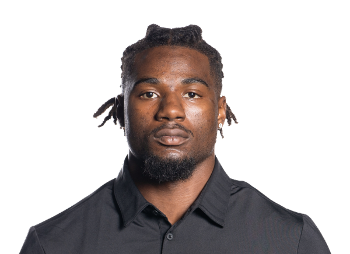
Le'Veon Moss
Le'Veon Moss enters the draft as a polarizing prospect whose collegiate career was derailed by severe lower-body injuries. Prior to his devastating knee injury in 2024, he flashed legitimate NFL traits as a decisive, one-cut runner who operated well between the tackles. However, his film following the injury, compounded by a subsequent ankle issue, revealed a noticeable lack of burst and acceleration. Furthermore, his profile is entirely devoid of any pass-catching upside, rendering him essentially useless in modern PPR dynasty formats. He struggled to consistently hit the edge and frequently had to gear down to change directions, highlighting his overall stiffness as a runner. He projects strictly as an early-down grinder who will struggle to command a massive NFL workload without significant progression in his lateral agility. Dynasty managers should avoid investing significant draft capital here, as his path to fantasy relevance requires an unlikely combination of perfect health and a decimated depth chart ahead of him.
Strengths
- Decisive one-cut runner
- Tough interior physical runner
- Functional lateral agility
Weaknesses
- Absolute zero passing game involvement
- Severe knee and ankle injury history
- Lacks elite top-end speed
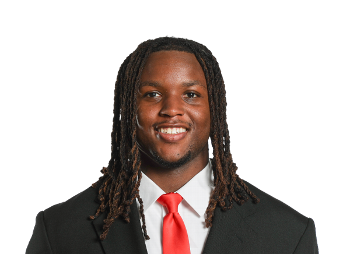
Roman Hemby
Roman Hemby is a seasoned, fundamentally sound running back prospect who finally achieved a breakout campaign after transferring within the Big Ten. After flashing potential during his initial four seasons at Maryland, he followed head coach Curt Cignetti to Indiana, where he thrived as the lead back and eclipsed the 1,000-yard rushing mark for the first time in his career. Hemby operates with a remarkably low pad level at 6'0", consistently utilizing sharp vision and decisive cutback ability to exploit over-pursuing defensive fronts. Furthermore, his extensive background as a pass-catcher at Maryland proves he possesses the requisite hands to operate as a reliable check-down option in a modern NFL offense. The glaring red flag for dynasty managers is his advanced age, as he will be turning 24 years old during his rookie season, severely limiting his long-term value window. While he lacks the elite, game-breaking speed or sheer power to become a true NFL workhorse, his well-rounded skill set ensures he will carve out a role as a dependable committee back. He is a high-floor, low-ceiling depth piece best targeted in the final rounds of dynasty drafts by contending managers seeking immediate roster insulation.
Strengths
- Excellent low pad level
- Clean vision and cutback ability
- Reliable receiving background
- Extensive collegiate experience
Weaknesses
- Older prospect entering the draft
- Lacks elite breakaway speed
- Minimal power to move piles
- Faced shared backfield touches
Carnell Tate
Selected 4th overall by the Tennessee Titans, Carnell Tate is arguably the safest prospect in the entire 2026 rookie class. He enters a revamped Titans offense spearheaded by quarterback Cam Ward and offensive coordinator Brian Daboll, where he is projected to instantly operate as the alpha X-receiver. With Calvin Ridley aging and little established target competition, Tate's flawless drop profile and sophisticated route running will make him a target magnet from day one. While he might lack game-breaking speed or elite yards-after-catch elusiveness, his precise technique and ability to beat press-man coverage give him an incredibly high floor. He is universally viewed as a locked-in 1.02 or 1.03 in rookie drafts. Dynasty managers should treat Tate as a blue-chip cornerstone who offers reliable, high-end WR2 production with legitimate WR1 upside over the next decade. His pristine hands and sharp route running guarantee he will remain a primary weapon for any quarterback under center.
Strengths
- Flawless hands with zero drops
- Refined route running nuance
- Consistently beats press-man coverage
- Elite body control
Weaknesses
- Lacks jaw-dropping top-end speed
- Limited yards after catch (YAC) ability
- Lower collegiate target share
Makai Lemon
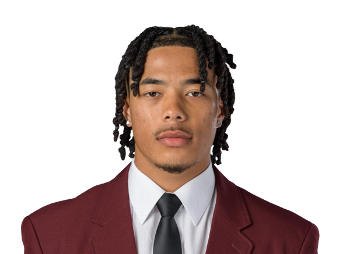
Drafted 20th overall by the Philadelphia Eagles, Makai Lemon brings a tantalizing PPR skill set to a dynamic offense. He is widely considered one of the best zone-beating and yards-after-catch receivers in the class, drawing heavy comparisons to Amon-Ra St. Brown. While dropping to pick 20 slightly lowers his immediate dynasty ranking behind Tate and Tyson, his long-term outlook remains incredibly bright. Lemon is expected to step in and complement DeVonta Smith, especially given the widespread rumors of an impending A.J. Brown trade. Although Jalen Hurts and the Eagles' run-heavy scheme might cap his passing volume early on, Lemon's ability to operate in the slot and consistently win over the middle of the field ensures he will command targets. He remains a premium mid-first-round rookie pick who offers massive PPR potential as his role expands. Fantasy managers should expect high reception totals and consistent weekly floors once he acclimates to the professional game.
Strengths
- Elite zone beater
- Exceptional YAC ability
- High-volume PPR machine
- Magnetic hands
Weaknesses
- Undersized frame
- Lacks elite top-end vertical speed
- Slot-heavy projection
Jordyn Tyson
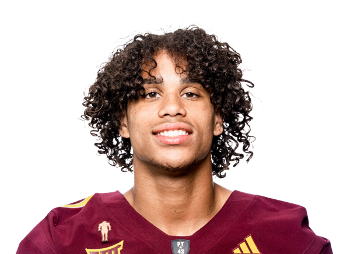
Tyson saw his dynasty stock skyrocket after being drafted 8th overall by the New Orleans Saints. Entering an aggressive, high-volume Kellen Moore offense, he is perfectly positioned to absorb massive target volume immediately. The Saints have a relatively thin wide receiver room outside of Chris Olave, and Tyson's precise route running will complement Olave perfectly. While his extensive collegiate injury history—including devastating knee tears and collarbone issues—remains a red flag, his top-10 draft capital signifies the NFL is comfortable with his medicals. He dominated as a freshman at Colorado before transferring to Arizona State, showing an incredible ceiling. Dynasty managers should confidently select him as an elite top-three rookie pick. He is banking on his refined route running to yield instant WR2 fantasy production for years to come.
Strengths
- Elite route running technician
- Incredible contortionist at the catch point
- Fluid separator
- Alpha size
Weaknesses
- Extensive injury history including multi-ligament knee tear
- Lacks play strength and physicality
- Poor missed tackles forced profile
KC Concepcion
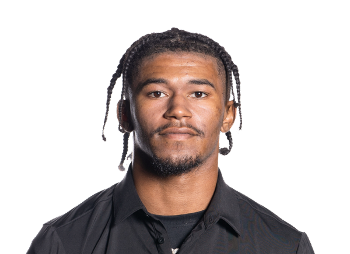
Drafted 24th overall by the Cleveland Browns, KC Concepcion is an electric playmaker whose post-draft stock has steadily climbed into the mid-first round of rookie drafts. Evaluators rave about his elite analytical profile, noting his incredible success rates against both man and zone coverages. Under offensive coordinator Todd Monken, Concepcion steps into a scheme perfectly tailored to manufacture touches for him in space, much like Zay Flowers in Baltimore. While Cleveland’s quarterback situation with Deshaun Watson and Shedeur Sanders remains highly volatile, Concepcion's ability to separate quickly provides an immediate safety blanket for whoever is under center. He has a legitimate path to leading the Browns in targets as a rookie, despite occasional issues with concentration drops. Dynasty managers should aggressively target his high-volume PPR floor, viewing him as a dynamic asset capable of explosive weekly performances. He is the perfect blend of analytical strength and offensive opportunity, cementing him as a top-tier rookie addition.
Strengths
- Elite separator against man and zone
- Game-breaking acceleration
- Versatile offensive alignment
- Special teams returner
Weaknesses
- Concentration drops
- Slightly undersized
- Can occasionally struggle against physical press
Omar Cooper Jr.
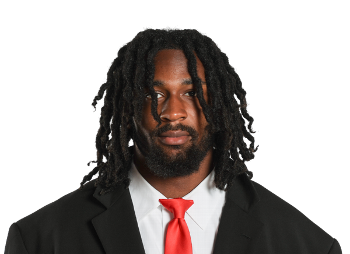
Omar Cooper Jr. was selected 30th overall by the New York Jets, creating a highly frustrating situation for dynasty managers. He is a phenomenal yards-after-catch monster who dominated at Indiana, utilizing his sturdy frame to bounce off defenders and feast against zone coverage. However, the Jets' decision to draft both him and Kenyon Sadiq in the first round means Cooper will severely cannibalize targets in an offense already dominated by star receiver Garrett Wilson. With Geno Smith and Cade Klubnik manning the quarterback position, the passing volume is unlikely to support multiple high-end fantasy options. Cooper will likely operate primarily out of the slot, providing immediate toughness and reliability, but his ultimate fantasy ceiling is significantly capped in the short term. He falls to the late first or early second round in rookie drafts, serving as a 'take your medicine' pick. Managers must exercise patience and hope for a future quarterback upgrade to unlock his true PPR potential in the NFL.
Strengths
- Elite YAC weapon
- Tackle-breaking machine
- Strong hands
- Exceptional zone awareness
Weaknesses
- Limited route tree
- Not an elite top-end speed athlete
- Older prospect with a later breakout
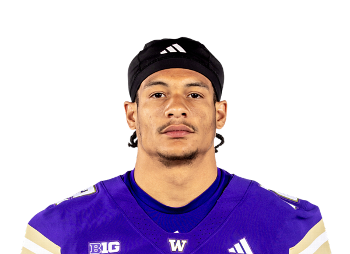
Denzel Boston
Selected 39th overall by the Cleveland Browns, Denzel Boston projects as the physical alpha X-receiver that their offense has been desperately seeking. Entering Todd Monken's scheme, Boston gives the Browns a towering 6'4" frame and a massive size mismatch, particularly in the red zone. While he will be competing for targets alongside fellow first-round rookie KC Concepcion, Boston's perimeter presence and contested catch dominance perfectly complement Concepcion's twitchy slot versatility. His immediate fantasy ceiling may be somewhat dependent on navigating the volatile and highly uncertain quarterback situation featuring Deshaun Watson and Shedeur Sanders. However, his elite draft capital and pure ball skills secure his role as a foundational piece of Cleveland's rebuilt receiving room. Dynasty managers should confidently target him in the early second round, viewing him as a high-floor WR3 who will heavily rely on touchdown volume. As long as he secures starting snaps on the boundary, his physical traits guarantee he will be a preferred target in high-leverage situations.
Strengths
- Prototypical X-receiver size
- Elite contested catch ability
- Violent hands at the catch point
- Red-zone threat
Weaknesses
- Lacks top-end vertical speed
- Minimal yards after the catch
- Struggles to separate consistently against press-man
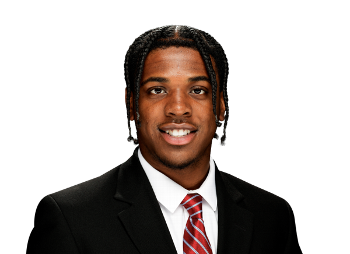
Germie Bernard
Germie Bernard was selected 47th overall by the Pittsburgh Steelers, stepping into a revamped offense that desperately needs a dependable complementary pass-catcher. He is fully expected to operate as a reliable number three target alongside DK Metcalf and Michael Pittman Jr., providing schematic versatility from both the slot and the boundary. While he clearly lacks the explosive juice or elite long speed to be a true alpha receiver, his incredible polish, blocking willingness, and route-running intelligence will endear him to the coaching staff immediately. The Steelers' quarterback situation remains somewhat murky following a coaching overhaul, which could severely limit his short-term fantasy ceiling. However, his day-two draft capital and all-around competence provide a remarkably safe floor for his professional career. He is a rock-solid target in the mid-to-late second round of rookie drafts, projecting as a long-term WR3 or WR4 for fantasy rosters. Managers drafting Bernard are acquiring a dependable real-life role player who will occasionally spike in PPR formats.
Strengths
- Versatile alignment inside and outside
- Reliable hands
- Strong blocker
- High football IQ
Weaknesses
- Lacks elite top-end speed
- Average separator
- Minimal explosive vertical traits
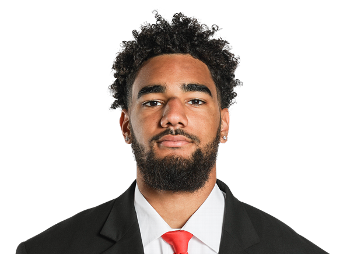
Elijah Sarratt
Elijah Sarratt tumbled to the fourth round of the NFL Draft, but his landing spot with the Baltimore Ravens provides a fascinating path to immediate fantasy relevance. Operating in a newly designed offense coordinated by Declan Doyle, Sarratt is projected to transition into a heavily targeted "big slot" role, similar to Amon-Ra St. Brown's early deployment. The Ravens desperately needed a reliable, sure-handed target over the middle of the field to complement Zay Flowers and Rashod Bateman on the perimeter. Sarratt's pristine catch-point skills, flawless hands, and elite body control make him a perfect fit to absorb high-leverage red zone targets. While his lack of top-end speed and day-three draft capital drastically reduce his margin for error, his elite collegiate production at Indiana proves he knows how to execute at a high level. Sarratt is an intriguing late-second or early-third-round dart throw who could quickly emerge as a dependable PPR safety blanket for Lamar Jackson. Managers should view him as a potential diamond in the rough if the Ravens scheme to his strengths.
Strengths
- Flawless hands
- Exceptional body control
- Elite collegiate production
- Highly intelligent route runner
Weaknesses
- Lacks breakaway speed
- Poor analytical separation metrics
- Day-three draft capital
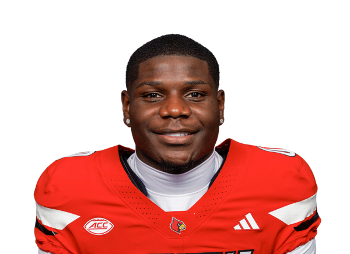
Chris Bell
The Miami Dolphins took a calculated swing on sheer upside by drafting Chris Bell in the third round, adding a physically dominant presence to their finesse-heavy receiving corps. Bell’s immediate rookie season is highly compromised as he recovers from a devastating November ACL tear, meaning dynasty managers will likely need to view him as a complete redshirt candidate for 2026. However, his elite yards-after-catch capabilities and imposing 220-pound frame make him a fascinating long-term fit for Mike McDaniel's scheme, which heavily features shallow crossers and manufactured touches in space. Once he returns to full health, he faces relatively weak depth chart competition behind Jaylen Waddle, opening a clear path to becoming the team's primary physical boundary option. Because of the steep injury discount, Bell represents an incredible value in the late third round of dynasty rookie drafts. He is the ultimate high-risk, high-reward stash for patient managers willing to wait for his game-breaking physical tools to translate to the professional level. If he regains his pre-injury explosiveness, his ceiling is exceptionally high.
Strengths
- Physically imposing frame
- Exceptional YAC ability on crossing routes
- Aggressive contact balance
Weaknesses
- Recovering from a torn ACL
- Unrefined route tree
- Limited collegiate production before injury
Antonio Williams
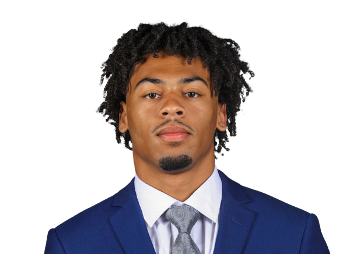
Antonio Williams was drafted 71st overall in the third round by the Washington Commanders, securing an excellent opportunity to become their primary slot receiver from day one. Entering a revitalized offense led by franchise quarterback Jayden Daniels, Williams fills a glaring void over the middle of the field alongside alpha perimeter threat Terry McLaurin. He wins with extreme nuance, high football IQ, and exceptional spatial awareness against zone coverage, making him an incredibly reliable chain-mover. While his lack of a dynamic second gear and slight frame permanently restrict him to an inside alignment, his path to immediate, high-volume targets is relatively unobstructed. Fantasy managers should not expect a massive, league-winning ceiling, but his role as a safety blanket for a young quarterback provides instant PPR utility. He is a very safe, high-floor target in the mid-to-late second round of dynasty rookie drafts for managers prioritizing stability over sheer athletic upside. Assuming he stays healthy, he projects to be a consistent WR3 or flex option for years to come.
Strengths
- Exceptional zone awareness
- Highly experienced multi-year starter
- Reliable hands
- Smooth route tempos
Weaknesses
- Purely limited to the slot
- Lacks an explosive second gear
- Dealt with various injuries
De'Zhaun Stribling
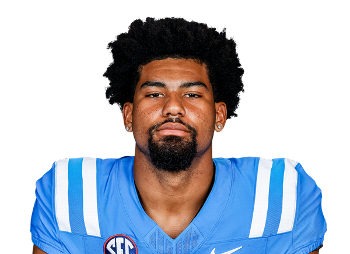
In one of the most heavily debated picks of the draft, the San Francisco 49ers selected De'Zhaun Stribling 33rd overall at the top of the second round. Stribling joins a crowded but transitioning wide receiver room, potentially serving as a long-term replacement for Jauan Jennings as the team's primary physical run-blocking and vertical threat. While the dynasty community has largely faded him due to his older age and poor analytical profile, his elite draft capital and perfect fit in Kyle Shanahan's system cannot be completely ignored. He possesses a massive catch radius and blazing 4.36 speed, but his highly unrefined route tree will require significant professional development. Because he struggles to separate consistently against press-man coverage, he will likely have to earn his early snaps through sheer effort and blocking prowess. He remains a polarizing, low-floor stash who routinely falls to the late second or early third round of rookie drafts. If Shanahan can maximize his raw athletic traits and manufacture touches in space, he could eventually carve out a meaningful role, but immediate fantasy production is highly unlikely.
Strengths
- Prototypical boundary size
- Blazing 4.36 speed
- Dominant 87th percentile hands
- Elite run blocker
Weaknesses
- Older prospect turning 24
- Very limited route tree
- Lacks physical play strength against press
Ted Hurst
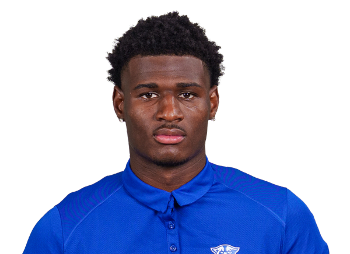
Ted Hurst was selected in the third round by the Tampa Bay Buccaneers, cementing his status as one of the draft's most fascinating small-school risers. A massive 6'4" target who dominated at Georgia State and crushed the Senior Bowl, Hurst brings prototypical boundary X-receiver traits to a Tampa Bay offense that is actively preparing for life after Mike Evans. While he will begin his career somewhat buried behind Evans, Chris Godwin, and Jalen McMillan, this landing spot provides him the perfect environment to refine his raw release package and developmental route tree without the pressure of immediate expectations. Evaluators rave about his elite catch radius, body control, and verified 4.42-second 40-yard dash speed. Dynasty managers should eagerly stash him in the third round of rookie drafts, viewing him as a high-upside long-term investment. If he can absorb professional coaching and refine his technique, he possesses the latent physical tools to eventually emerge as a primary perimeter weapon.
Strengths
- Massive catch radius
- Elite athletic testing and broad jump
- Dominant deep threat
- Impressive body control
Weaknesses
- Unrefined release package
- Raw route runner
- Lower level of collegiate competition
Ja'Kobi Lane
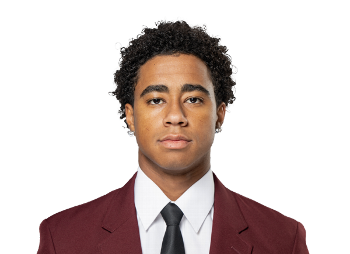
Drafted 80th overall by the Baltimore Ravens, Ja'Kobi Lane brings a spectacular contested-catch skill set to Lamar Jackson's passing attack. The 6'4" wideout from USC thrives in 50/50 situations, utilizing his massive wingspan and acrobatic body control to pluck the ball out of the air. While he struggles to generate consistent vertical separation and offers almost nothing in terms of yards after the catch, his ability to operate as a reliable boundary presence fills a specific void for Baltimore. Lane will immediately compete with Rashod Bateman for outside snaps, allowing Zay Flowers and fellow rookie Elijah Sarratt to command the middle of the field. Because his fantasy production will be heavily reliant on red-zone targets and low-percentage downfield throws, his weekly floor will likely remain volatile. Nevertheless, his day-two draft capital and clear path to a specialized role make him an appealing high-reward stash in the third round of rookie drafts.
Strengths
- Acrobatic contested-catch wizard
- Immense catch radius
- Highly fluid for his size
- Dominant red-zone weapon
Weaknesses
- Struggles to generate consistent separation
- Lean frame
- Minimal yards after the catch capability
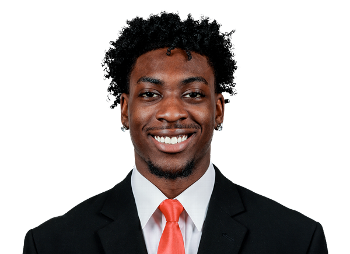
Zachariah Branch
Drafted 79th overall in the third round by the Atlanta Falcons, Zachariah Branch enters the NFL as a polarizing, gadget-oriented playmaker. His collegiate profile is dominated by manufactured touches, with over half of his routes being simple screen passes behind the line of scrimmage. While his game-breaking open-field agility and elite return-specialist skills are undeniable, his severely undersized 5'9", 177-pound frame raises massive red flags for his ability to survive against physical NFL press coverage. In Atlanta, he will likely be relegated to a highly specialized slot role, heavily reliant on offensive coordinator Zac Robinson scheming touches and utilizing pre-snap motion to find open space. He severely lacks a refined downfield route tree, drawing stark comparisons to enigmatic players like Kadarius Toney. Dynasty managers should view him as a volatile, low-floor asset who will be extremely dependent on offensive design to generate consistent PPR value. He is a high-risk gamble best reserved for the late third round of rookie drafts.
Strengths
- Electric return specialist
- Game-breaking open-field agility
- Elite burst and acceleration
- Dangerous in manufactured space
Weaknesses
- Severely undersized frame
- Gadget-player route tree
- Minimal downfield production and route nuance
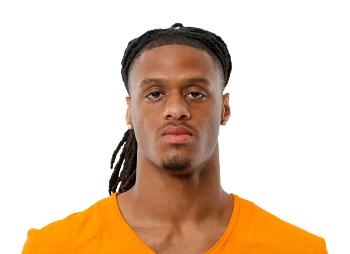
Chris Brazzell II
Selected 83rd overall by the Carolina Panthers, Chris Brazzell II brings game-breaking vertical speed to an offense desperate for explosive plays down the field. Standing an imposing 6'4" with a blazing verified 4.37-second 40-yard dash, he dominated lesser competition at Tulane before showcasing his deep-threat ability against SEC defensive backs at Tennessee. However, his route tree is exceptionally rudimentary, consisting almost entirely of linear go-routes, hitches, and posts. He frequently struggled to defeat physical press-man coverage at the line of scrimmage, and evaluators noted his overall effort wavered when he was not the primary read on a play. In Carolina, he will immediately compete for boundary snaps alongside Xavier Legette and Diontae Johnson, projecting as a situational deep-threat who can clear out safeties for underneath crossers. Dynasty managers should view him as a boom-or-bust Best Ball asset who will likely deliver massive spike weeks followed by complete statistical duds.
Strengths
- Elite vertical threat
- Blazing top-end speed
- Massive catch radius
- High-end body control
Weaknesses
- Highly limited route tree
- Lacks physical toughness against press coverage
- Inconsistent hands and effort
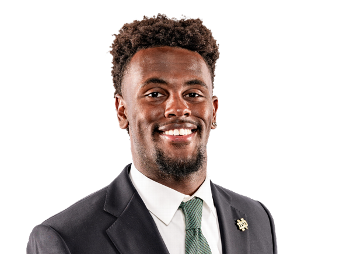
Malachi Fields
Selected 74th overall by the New York Giants, Malachi Fields enters the NFL as a massive, physically imposing target who wins in contested situations. The Giants traded up for his services in the third round, signaling they highly value his red-zone abilities. He joins a receiver room featuring Malik Nabers and Darnell Mooney but offers a 6'4" frame that the offense desperately needs on the perimeter. However, Fields lacks downfield speed and struggles to consistently separate, making his transition to the pro game heavily dependent on his ability to win 50/50 balls against NFL cornerbacks. Dynasty managers should view him as a developmental stash with contingent red-zone upside. He represents a high-risk, low-floor flyer in the later rounds of rookie drafts.
Strengths
- Elite contested-catch winner
- Massive catch radius
- Impressive hip bend
- Physically imposing frame
Weaknesses
- Severe lack of vertical speed
- Limited collegiate route tree
- Late-career breakout
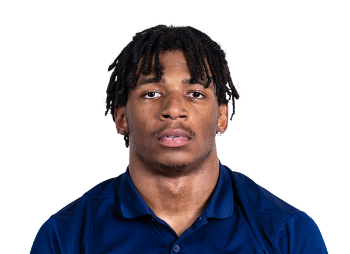
Skyler Bell
Skyler Bell was drafted in the fourth round by the Buffalo Bills, offering a fundamentally sound and highly productive profile to a transitioning wide receiver room. After breaking out as a super-senior at UConn, Bell verified his athleticism at the combine with a 4.40-second 40-yard dash and a 41-inch vertical jump. He is a silky-smooth route runner who seamlessly transitions between the boundary and the slot, drawing stylistic comparisons to dependable veterans like Robert Woods. While his advanced age and late-career breakout against lesser competition are valid red flags, his fit with Josh Allen in Buffalo presents tremendous contingent upside. The Bills desperately need reliable pass-catchers to step up behind Khalil Shakir and Dalton Kincaid, giving Bell an immediate opportunity to compete for snaps in training camp. Dynasty managers should target him in the late third or early fourth round of rookie drafts as a high-floor stash who could carve out a steady PPR role.
Strengths
- Elite collegiate production profile
- Explosive combine testing metrics
- Versatile inside and outside alignment
- Silky-smooth route runner
Weaknesses
- Late career breakout after transferring
- Struggles with concentration drops
- Older prospect entering the draft
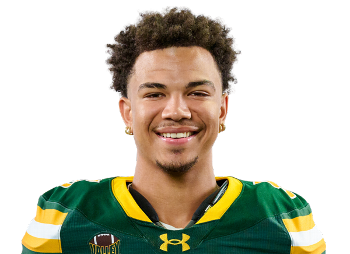
Bryce Lance
Bryce Lance is the ultimate height-weight-speed project of the 2026 class, selected in the fourth round by the New Orleans Saints. He decimated the FCS level at North Dakota State before posting an absurd 4.34-second 40-yard dash and 41.5-inch vertical jump at the NFL Combine. However, his prospect profile is deeply flawed; he is an ancient 25-year-old rookie transitioning from a lower level of competition with a remarkably raw and limited route tree. In New Orleans, he enters a scheme that relies heavily on precision and timing, meaning he will likely be relegated to a specialized developmental role early in his career. Despite these glaring risks, the Saints possess a thin depth chart behind Chris Olave and first-round rookie Jordyn Tyson, leaving the door open for Lance to eventually emerge as a designated deep threat. He is a pure boom-or-bust dart throw in the late rounds of dynasty drafts, requiring immense patience from fantasy managers.
Strengths
- Generational athletic testing metrics
- Prototypical outside size
- Dominant FCS production
- Explosive leaping ability
Weaknesses
- Older prospect turning 25 as a rookie
- Severe level of competition concerns
- Extremely raw route tree
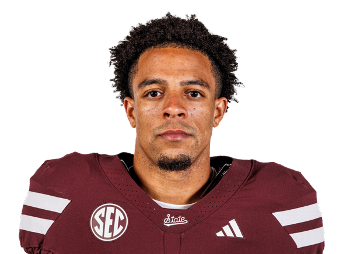
Brenen Thompson
Brenen Thompson lands with the Los Angeles Chargers as a Day 3 selection, stepping into an offense desperate for vertical speed. He boasts historic 4.26 speed and surprising pound-for-pound strength, making him a dynamic deep threat to pair with Justin Herbert's massive arm. The Chargers' coaching staff, specifically Jim Harbaugh and the offensive braintrust, reportedly coveted his game-breaking acceleration to take the top off defenses. While his slight frame means he will struggle against physical press-man coverage, he offers an immediate path to the field as a situational field-stretcher. Dynasty managers should view him as a boom-or-bust Best Ball asset and an enticing late-round stash. He holds significant spike-week potential if schemed properly into open space.
Strengths
- Generational 4.26 speed
- Pound-for-pound elite strength
- Wins consistently downfield
- Not limited to a gadget role
Weaknesses
- Severely undersized frame
- Extremely short wingspan
- Struggles against physical press coverage
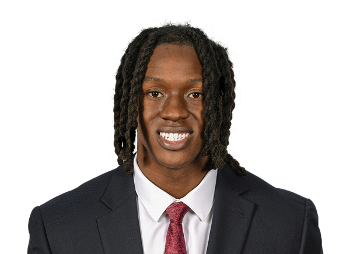
Deion Burks
Falling all the way to the seventh round, Deion Burks was selected by the Indianapolis Colts. Despite testing off the charts with a 4.30-second 40-yard dash, his severe lack of size, limited catch radius, and lingering injury concerns caused his draft stock to plummet. In Indianapolis, he will have to fight simply to make the final roster as a depth slot receiver and special teams returner. The presence of Michael Pittman Jr. and Josh Downs severely limits his path to offensive snaps in the short term. Given his Day 3 draft capital, Burks is a low-probability dart throw in dynasty formats. Managers should treat him as a pure roster clogger unless he flashes legitimate game-breaking ability in training camp.
Strengths
- Elite Combine athletic testing
- Explosive acceleration off the line
- Dynamic with the ball in space
- Versatile alignment capability
Weaknesses
- Extensive injury history
- Significantly undersized
- Limited catch radius
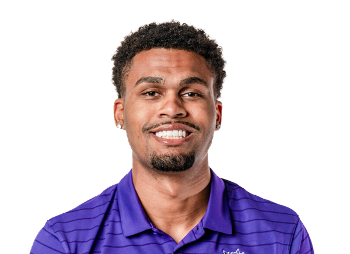
Eric McAlister
Eric McAlister represents a classic height-weight-speed developmental project, offering immense vertical upside for an NFL franchise willing to invest in his raw traits. Standing a lanky 6'4" and 194 pounds, he flashes exceptional deceptive speed down the field, utilizing his long strides to consistently chew up ground and stack defensive backs. Due to his towering frame and somewhat stiff change-of-direction skills, evaluators frequently draw comparisons to fellow TCU alumnus Quentin Johnston. Unfortunately, his draft stock took a significant hit due to a broken foot that sidelined him during the critical pre-draft testing process, preventing him from verifying his raw athletic tools. Furthermore, his tape reveals a highly unrefined route runner who struggles to sink his hips and relies almost entirely on linear, vertical concepts to generate separation. Dynasty managers should view McAlister as a long-term developmental stash best reserved for the late third or fourth round of rookie drafts. He requires a patient coaching staff to overhaul his route mechanics, but his sheer size and vertical tracking ability provide a tantalizing ceiling if he can put the pieces together.
Strengths
- Imposing height and long frame
- Deceptive deep speed
- Flashes of dominant contested-catch ability
- Physical boundary presence
Weaknesses
- Severely unrefined route runner
- Recovering from a broken foot
- Inconsistent hands and tracking
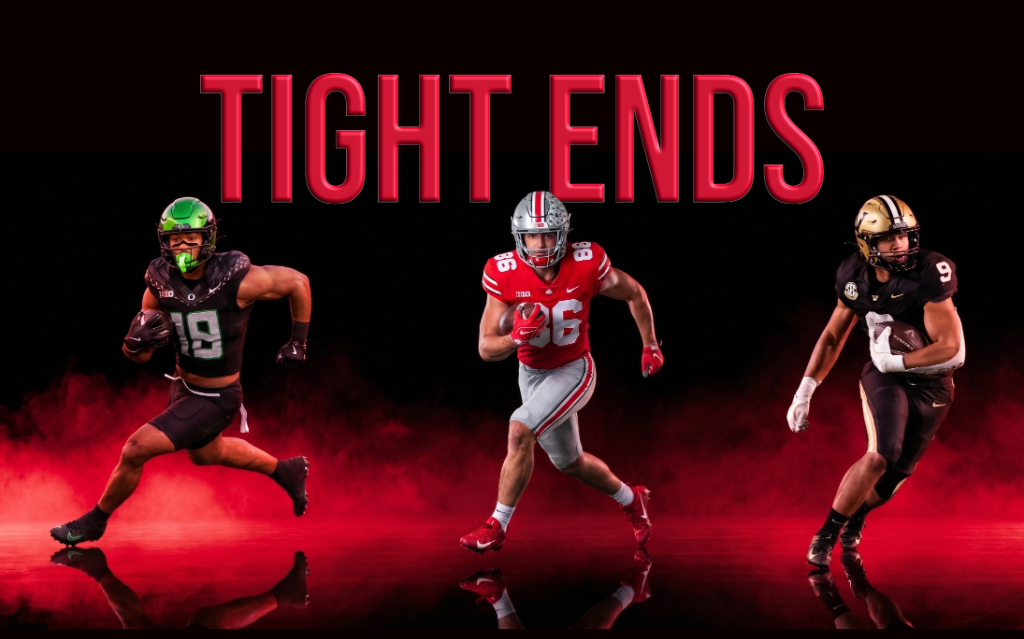
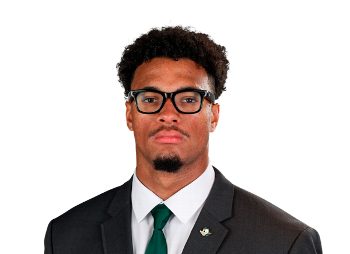
Kenyon Sadiq
Drafted 16th overall by the New York Jets, Kenyon Sadiq remains an athletic unicorn with an incredibly high, albeit murky, fantasy ceiling. He shattered NFL Combine records for tight ends, posting a 4.39-second 40-yard dash and a massive vertical jump that firmly cemented his first-round status. Unfortunately, his landing spot is highly problematic for immediate fantasy production. He joins an offense loaded with target competition, including Garrett Wilson and fellow rookie Omar Cooper Jr., while navigating major quarterback uncertainty. Despite his raw route running and frustrating drop rate, Sadiq's straight-line speed and impressive run-blocking grades guarantee he will see the field frequently. He is a young, developmental prospect who declared after his junior season and requires absolute patience from dynasty managers. While his short-term volume may be squeezed, his rare physical traits make him a mandatory first-round pick in tight-end premium formats with top-five positional upside.
Strengths
- Generational athleticism and combine metrics
- Fluid movement in open space
- Excellent run blocking foundation
- Massive catch radius
Weaknesses
- High concentration drop rate
- Raw route runner
- Limited collegiate target share
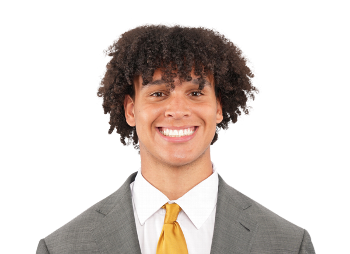
Eli Stowers
Eli Stowers landed a dream scenario for his fantasy outlook when the Philadelphia Eagles selected him 54th overall in the second round. Operating in a dynamic offense coordinated by Kellen Moore, Stowers is expected to be utilized as a pure move tight end and a massive big slot receiver. With the impending departure of A.J. Brown, the Eagles are rapidly revamping their pass-catchers around DeVonta Smith and Makai Lemon, leaving plenty of high-leverage targets available over the middle of the field. Though he offers absolutely nothing as a traditional in-line run blocker, his generational Combine metrics make him an athletic nightmare for trailing linebackers and safeties in space. While veteran Dallas Goedert remains on the roster in the short term, Stowers is clearly being groomed as his long-term receiving successor. In tight-end premium formats, his tantalizing upside makes him a priority target in the late first or early second round of rookie drafts. He possesses the rare mismatch potential necessary to eventually develop into an elite top-tier fantasy asset.
Strengths
- Elite explosiveness
- Fluid short-area quickness
- Dynamic receiving threat
- Former QB with high football IQ
Weaknesses
- Abysmal blocking ability
- Undersized for a true in-line role
- Raw route runner
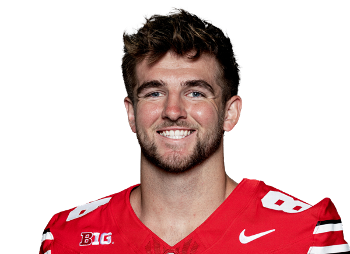
Max Klare
The Los Angeles Rams continued their trend of investing in the tight end position by selecting Max Klare in the second round of the NFL Draft. While he joins a notoriously crowded depth chart featuring Davis Allen, Colby Parkinson, and last year's second-round pick Terrance Ferguson, Klare’s analytical profile and receiving upside are vastly superior to his peers. He thrives as a dynamic movement tight end who can effortlessly detach into the slot and generate consistent separation against trailing linebackers. Although his immediate fantasy impact will likely be stifled by Sean McVay's heavy rotation of tight ends, Klare represents a high-upside long-term investment. Parkinson and Higbee are nearing the end of their respective contracts, paving the way for Klare to assume a primary receiving role by his second season. Dynasty managers must exhibit extreme patience, but his elite day-two draft capital and dynamic route-running make him a screaming value in the late second or early third round of rookie drafts. He is perfectly tailored to be a mismatch weapon in a modern passing attack.
Strengths
- Highly polished route runner
- Solid analytical breakout age
- Good overall size and blocking foundation
- Smooth movement skills
Weaknesses
- Inconsistent concentration drops
- Statistical regression in final year
- Crowded depth chart
Eli Raridon
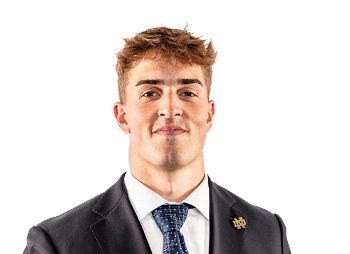
Eli Raridon landed in a phenomenal situation after being drafted in the third round by the New England Patriots, providing immense long-term upside. Standing 6'6" with rare 75th-percentile athleticism, Raridon possesses the prototypical inline tight end frame that the NFL heavily covets. He pairs perfectly with franchise quarterback Drake Maye and steps into a depth chart where he can immediately contribute as an elite run blocker while developing his receiving chops behind the aging Hunter Henry. While his collegiate production at Notre Dame was significantly muted due to back-to-back ACL tears and a run-heavy scheme, his underlying metrics and catch-point dominance scream untapped potential. Evaluators view him as one of the most complete tight ends in the entire class, making him a premier sleeper in dynasty rookie drafts. He is a priority stash in the third round who could quickly blossom into a reliable safety blanket and top-15 fantasy tight end. If his knee holds up, his combination of size and speed will make him a dominant red-zone force.
Strengths
- Elite catch radius and length
- Perfect contested catch rate
- Excellent inline blocking
- High-end athleticism
Weaknesses
- Two consecutive ACL tears
- Raw route runner
- Lower collegiate receiving volume

Oscar Delp
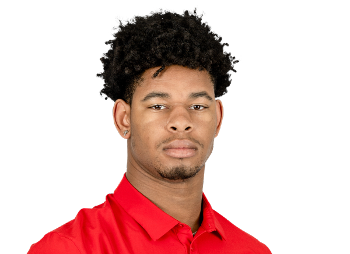
Oscar Delp fell to Day 3 of the NFL Draft, ultimately landing with the New Orleans Saints. Despite showcasing an otherworldly 4.48-second 40-yard dash at 245 pounds, his severe lack of collegiate receiving production and inconsistent hands tanked his overall draft capital. He joins a tight end room currently occupied by Juwan Johnson and Noah Fant, meaning he will likely be relegated to inline blocking duties early in his career. However, his blocking prowess guarantees he will see the field in two-tight-end sets, providing a foundation to eventually showcase his elite vertical seam-stretching ability. For dynasty managers, Delp represents an athletic lottery ticket who requires extreme patience to develop into a reliable receiving threat.
Strengths
- Elite straight-line speed (4.48)
- Excellent seam threat
- Strong run blocker
- Fluid in space
Weaknesses
- Abysmal collegiate receiving production
- Severe concentration drops and fumbles
- Shorter wingspan
Justin Joly
Drafted by the Denver Broncos on Day 3, Justin Joly is a highly refined pass-catching tight end who offers legitimate mismatch potential. He essentially operates as a big slot receiver, utilizing exceptional fluidity and quick-twitch agility to separate easily from linebackers and safeties. Because he is severely undersized and a massive liability as an inline run-blocker, Sean Payton will need to scheme him touches in space to maximize his utility. While the day-three draft capital means he has an uphill battle for playing time, the Broncos lack a truly dominant receiving tight end on their roster. Joly is an intriguing, high-upside sleeper in tight-end premium formats who fits the modern NFL passing game perfectly.
Strengths
- Elite route running for a tight end
- Tremendous yards after the catch
- Strong hands in traffic
- High-end receiving analytics
Weaknesses
- Undersized for a true in-line role
- Lacks elite top-end speed
- Functional blocking liability

Jack Endries
Jack Endries enters the NFL as a highly intelligent, pass-catching tight end who relies on nuance rather than overwhelming athleticism. Operating heavily in the slot, he utilizes incredibly quick footwork and smooth route running to consistently uncover against linebackers and safeties. Evaluators frequently praise his high football IQ, noting his innate ability to find soft spots in zone coverage and provide a reliable safety blanket for his quarterback. While his raw timed speed is underwhelming, his suddenness out of breaks allows him to generate consistent separation in the short and intermediate areas of the field. However, his lighter frame renders him a significant liability in the run-blocking department, likely limiting his early-down snaps at the professional level. He established a strong rapport with Arch Manning at Texas, proving he can function as a primary receiving option in a modern passing attack. Dynasty managers should view him as a high-floor, PPR-friendly asset who could quickly become a quarterback's best friend in the right offensive system.
Strengths
- Silky smooth route runner
- Strong spatial awareness in zone coverage
- Reliable hands
- Versatile alignment
Weaknesses
- Undersized frame
- Struggles as an inline blocker
- Lacks elite top-end breakaway speed
Michael Trigg
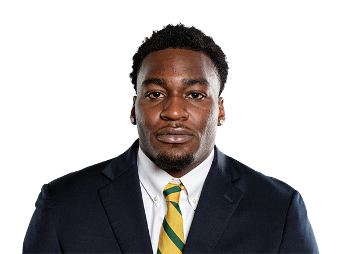
Michael Trigg is a pure receiving tight end who operates much more like a big slot wide receiver than a traditional inline blocker. After bouncing around multiple collegiate programs, he finally found a home at Baylor, where he was heavily utilized as a dynamic vertical threat. He possesses rare downfield ball skills for a tight end, frequently showcasing the ability to make spectacular, one-handed acrobatic grabs along the boundary. However, his film is equally littered with frustrating concentration drops and occasional lapses in route-running effort when he is not the primary target. Weighing just 240 pounds, he currently lacks the functional play strength to survive as an inline blocker at the NFL level, meaning his snap share will be entirely dependent on his receiving prowess. He boasts an elite average depth of target for his position, proving he can stretch the seam and win vertically against linebackers. If he lands with an innovative offensive coordinator who schemes him touches in space, his athletic upside gives him a massive fantasy ceiling in tight-end premium formats.
Strengths
- Highly athletic receiving profile
- Elite average depth of target
- Dynamic vertical threat
- One-handed catch ability
Weaknesses
- Undersized for a traditional inline role at 240 lbs
- Terrible drop rate
- Character and transfer history concerns
Top 20 Overall Rankings
Consensus Superflex drafted values for the 2026 class.
| Rank | Player | Position | Ceiling |
|---|---|---|---|
| #1 | Jeremiyah Love | RB | Dynasty RB1 |
| #2 | Carnell Tate | WR | Dynasty WR1 OVR |
| #3.75 | Makai Lemon | WR | Top 5 Dynasty WR |
| #3.75 | Jordyn Tyson | WR | Top 12 Dynasty WR |
| #5 | Fernando Mendoza | QB | Top 5 Dynasty QB |
| #5.5 | Jadarian Price | RB | Top 8 Dynasty RB |
| #7.5 | Kenyon Sadiq | TE | TE1 Overall |
| #8 | KC Concepcion | WR | Top 15 Dynasty WR |
| #9 | Omar Cooper Jr. | WR | Top 15 Dynasty WR |
| #9.5 | Ty Simpson | QB | Top 20 Dynasty QB |
| #12 | Denzel Boston | WR | Top 24 Dynasty WR |
| #12 | Jonah Coleman | RB | Top 24 Dynasty RB |
| #13.5 | Eli Stowers | TE | Top 5 Dynasty TE |
| #16.25 | Germie Bernard | WR | Top 30 Dynasty WR |
| #17.75 | Nicholas Singleton | RB | Top 5 Dynasty RB |
| #18 | Elijah Sarratt | WR | Top 30 Dynasty WR |
| #19.75 | Chris Bell | WR | Top 24 Dynasty WR |
| #19.75 | Antonio Williams | WR | Top 30 Dynasty WR |
| #19.75 | Drew Allar | QB | Top 15 Dynasty QB |
| #21 | Max Klare | TE | Top 10 Dynasty TE |
Stop guessing. Start analyzing.
Knowing the 2026 class is useless if you don't know your own team's championship window. Should you be buying future picks or selling yours to win right now?
Enter the Dynasty Decoder War RoomCurious how your rookie picks will fall?
Run a live Draft Simulation against your actual Sleeper league.